> For the complete documentation index, see [llms.txt](https://docs.logilica.com/llms.txt). Markdown versions of documentation pages are available by appending `.md` to page URLs; this page is available as [Markdown](https://docs.logilica.com/getting-started/onboarding-users.md).
# Onboarding Users
## Users vs Contributors
Logilica has the concept of **Contributors** and **Users**.
* **Contributors** are all individuals in an organisation who contributed to the data imported into Logilica. For instance, if you connect a repository, anyone who has been active on that repository recently will be counted as a contributor. Contributors do not have access to the Logilica platform by default. You will need to make them users.
* **Users** are individuals who have been given access to the Logilica platform. These can be contributors, but also others from your organisation, such as the management team, who might not actively contribute to code, etc.
## Adding Users
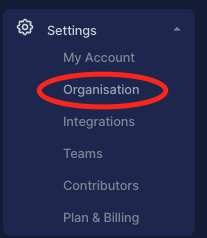
To add new users, navigate to your **Organisation** **settings**.
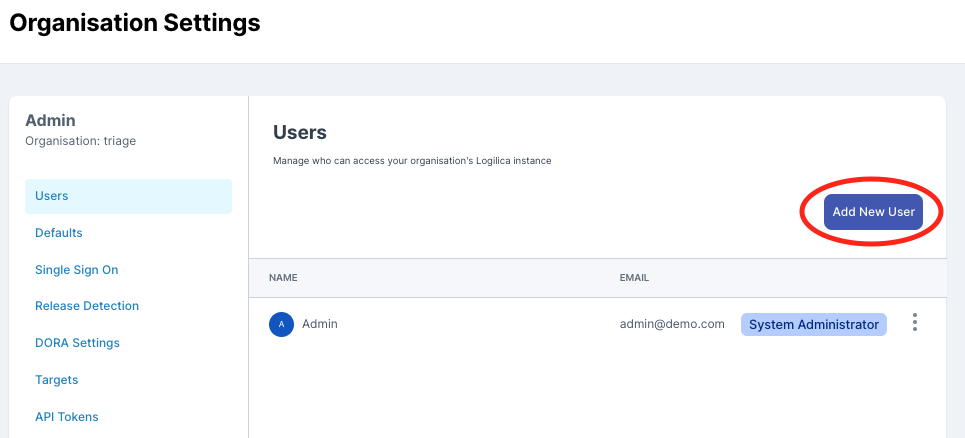
Under the organisation settings, there is a section to invite and manage users as well as their access control rights.
## Sending Invitations
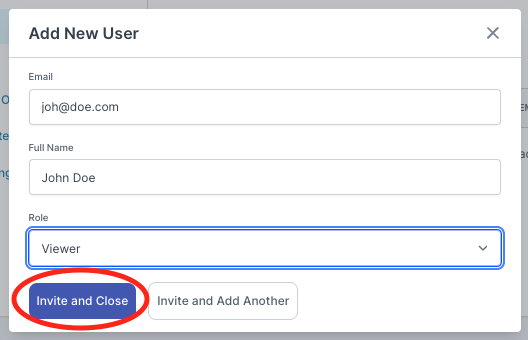
Once you select Add New User, you will be asked to provide the contact details (name/email) of that user as well as an access level.
The system will email a **temporary link** **valid for 5 days** for that user to accept the invite**.**
As an administrator, you can add, delete and manage users. You can also cancel invitations.
If you would like to bulk onboard users or have other questions, please contact .